
Keeping your home’s electrical system safe doesn’t always require major renovations. There are several simple maintenance tasks homeowners can perform to reduce electrical hazards, improve energy efficiency, and help prevent costly repairs. However, it’s equally important to know where DIY ends and when it’s time to call a licensed electrician.
At DCW Electrical, we believe that informed homeowners make safer decisions. Here’s our guide to safe DIY electrical maintenance and when professional help is essential.
Why Electrical Safety Matters
Electricity powers almost every aspect of modern life, but faulty wiring, overloaded circuits, and damaged electrical equipment can pose serious risks.
Regular electrical maintenance helps:
- Improve household safety
- Reduce the risk of electrical fires
- Prevent unexpected power outages
- Extend the life of appliances
- Improve energy efficiency
- Identify small issues before they become expensive repairs
A little preventative maintenance can save thousands in future repair costs.
1. Test Your Smoke Alarms Regularly
Smoke alarms are your home’s first line of defence.
To keep them working properly:
- Test each alarm once a month.
- Replace batteries annually (unless they’re long-life lithium models).
- Clean away dust using a soft brush or vacuum.
- Replace smoke alarms that are more than 10 years old.
If you’re unsure whether your smoke alarms comply with current regulations, a licensed electrician can inspect and replace them if required.
2. Check Power Points for Damage
Damaged power outlets should never be ignored.
Look for:
- Cracks or broken covers
- Loose fittings
- Burn marks
- Discolouration
- Sparking when plugging in appliances
If you notice any of these warning signs, stop using the outlet immediately and arrange for a licensed electrician to inspect it.
3. Avoid Overloading Power Boards
Power boards are designed for convenience, not to power every appliance in your home.
Avoid plugging multiple high-powered appliances into one outlet, including:
- Heaters
- Kettles
- Microwaves
- Air fryers
- Portable air conditioners
Overloaded circuits are one of the leading causes of household electrical fires.
4. Inspect Extension Leads
Extension leads experience significant wear over time.
Before using one, check for:
- Cuts or exposed wires
- Bent plugs
- Loose connections
- Heat damage
Never run extension leads under rugs or carpets, where heat can build up unnoticed.
5. Keep Outdoor Electrical Equipment Protected
Outdoor power points and electrical equipment should always remain dry.
When using outdoor appliances:
- Use weatherproof outlets.
- Keep extension leads off wet ground.
- Store electrical tools indoors after use.
- Avoid operating electrical equipment during heavy rain.
If your outdoor outlets aren’t weatherproof, upgrading them is a worthwhile safety improvement.
6. Reset a Tripped Safety Switch Correctly
A safety switch (RCD) protects you from electric shock by shutting off power when it detects a fault.
If your safety switch trips:
- Unplug recently connected appliances.
- Reset the switch.
- Reconnect appliances one at a time.
- If it trips again, stop using the affected circuit and contact a licensed electrician.
Frequent tripping usually indicates an underlying electrical fault that requires professional diagnosis.
7. Replace Light Bulbs Safely
Changing a light bulb is a simple DIY task, but safety comes first.
Always:
- Turn off the light switch.
- Allow hot bulbs to cool before handling.
- Use the correct wattage and bulb type recommended for the fitting.
If light fittings flicker or become excessively hot, they should be inspected by a qualified electrician.
8. Reduce Energy Bills with Simple Habits
Improving energy efficiency doesn’t always require expensive upgrades.
Simple ways to save electricity include:
- Switching to LED lighting
- Turning appliances off at the wall
- Using smart timers
- Installing motion sensor lighting outdoors
- Replacing old halogen downlights
These changes can reduce electricity consumption while extending the lifespan of your electrical equipment.
Electrical Jobs You Should Never DIY
Australian electrical laws require most electrical work to be completed by a licensed electrician.
Never attempt to:
- Install new power points
- Replace switchboards
- Install ceiling fans
- Rewire lighting circuits
- Install EV chargers
- Repair damaged wiring
- Replace circuit breakers
- Install smoke alarms where hardwiring is required
Attempting these jobs yourself can be dangerous, void insurance policies, and may breach state regulations.
Signs You Should Call an Electrician
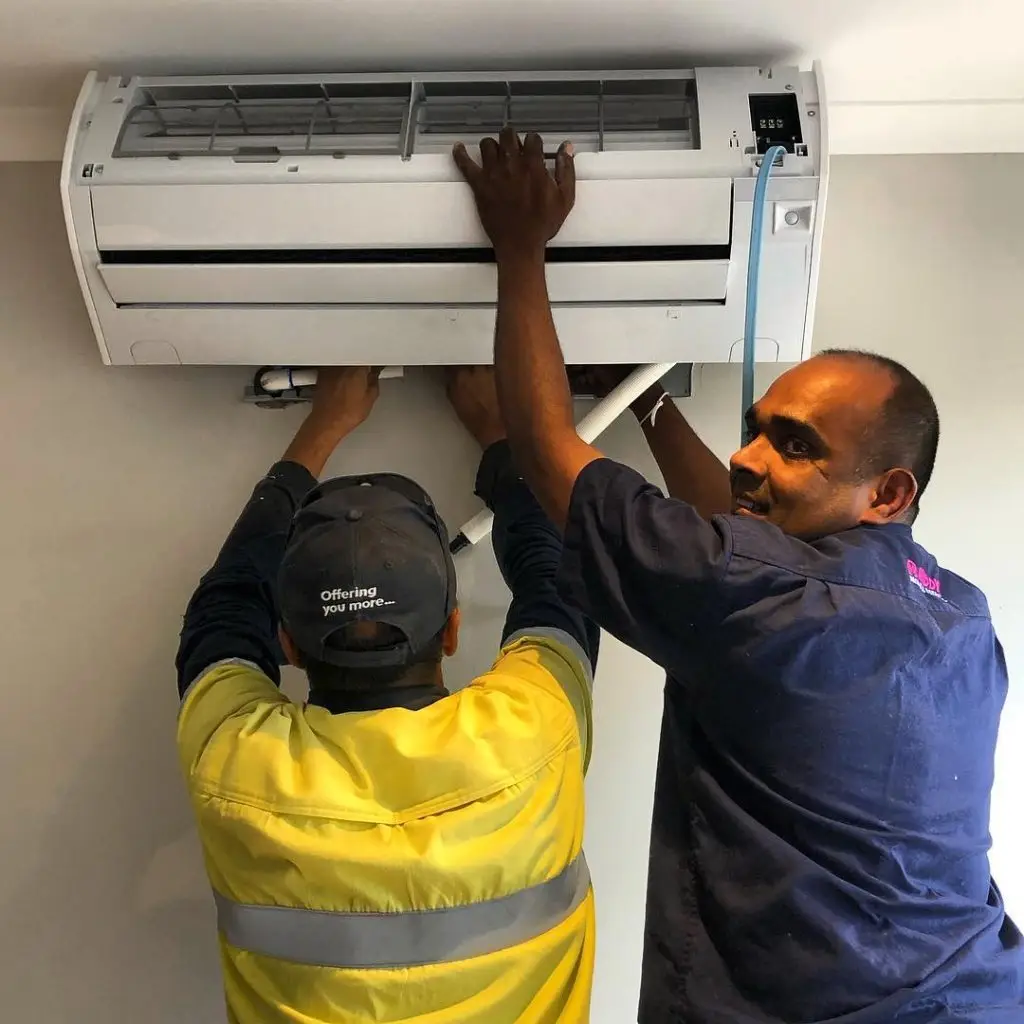
Contact a licensed electrician if you notice:
- Flickering lights
- Burning smells
- Frequent circuit breaker trips
- Buzzing power points
- Warm switches or outlets
- Power outages affecting only your property
- Sparking outlets
- Electric shocks when touching appliances
Ignoring these warning signs can lead to more serious electrical faults.
Why Choose DCW Electrical?
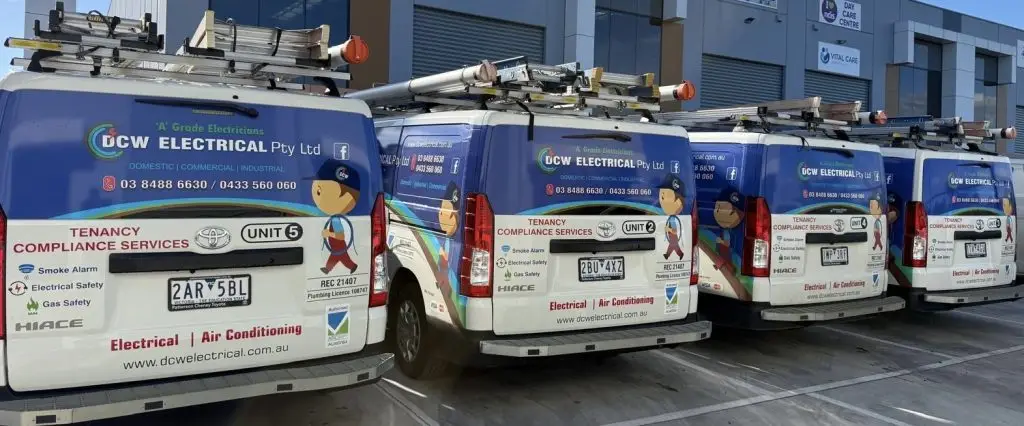
At DCW Electrical, we provide reliable electrical services for residential and commercial properties. Whether you need routine maintenance, fault finding, lighting upgrades, switchboard replacements, or new installations, our experienced electricians deliver quality workmanship with safety as the top priority.
We pride ourselves on:
- Licensed and qualified electricians
- Prompt, reliable service
- Transparent pricing
- High-quality workmanship
- Residential and commercial expertise
- Safety-focused solutions
While homeowners can safely perform basic electrical maintenance such as testing smoke alarms, inspecting cords, and practising safe power usage, anything involving your home’s electrical wiring should always be left to a licensed professional.
Regular inspections and preventative maintenance can help keep your family safe, improve your home’s efficiency, and reduce the likelihood of unexpected electrical issues.
If you’re experiencing electrical problems or planning an upgrade, DCW Electrical is here to help with professional advice and trusted electrical services.
📞 Phone: 03 8488 6630
📍 Address: 13 Zinc Circuit, Cranbourne North VIC 3977
🌐 Website: www.dcwelectrical.com.au